"I was a fool."
Elon Musk · on himself Under oath · 30 April 2026
Three weeks. Nine witnesses. $134 billion on the table. The jury said he waited too long. Musk says he'll appeal. Inside the most expensive breakup in tech history.
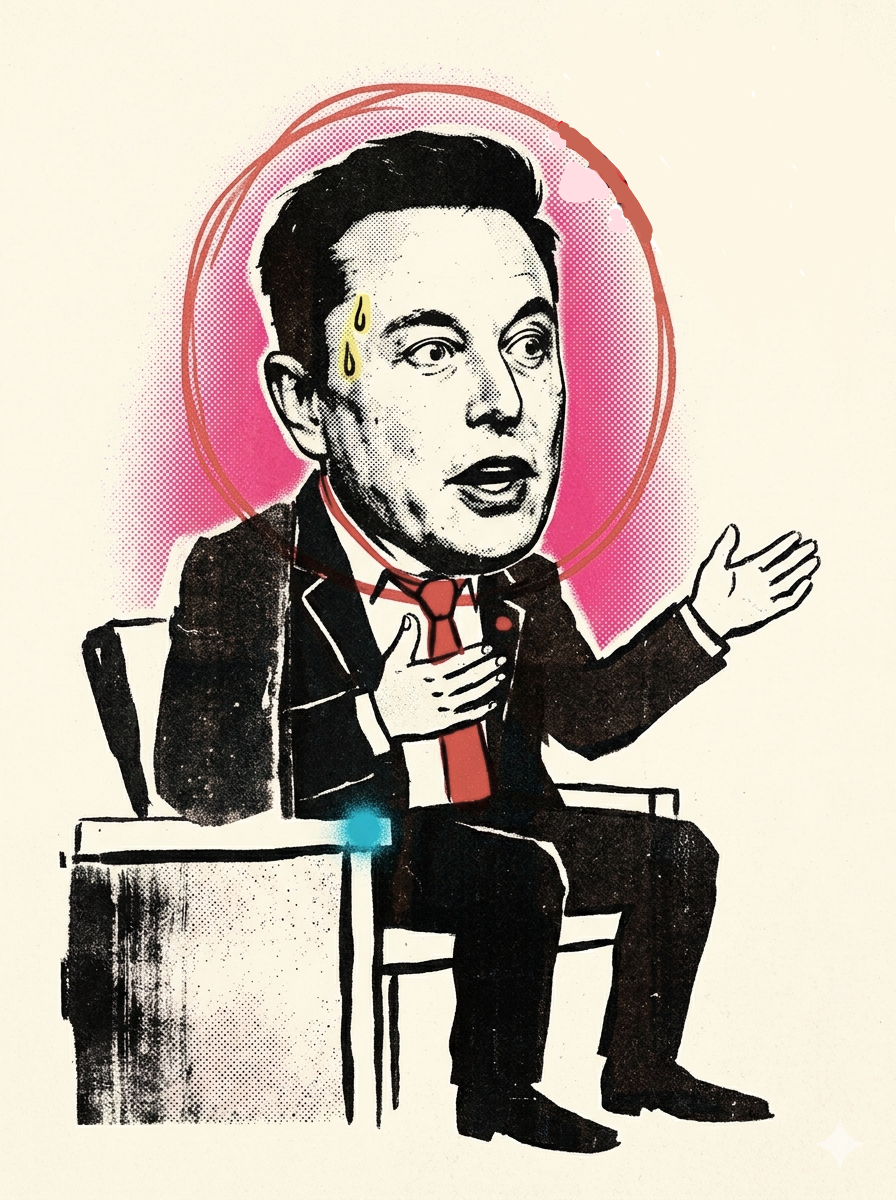

He wrote the founding cheque. They built it without him. He wanted $134 billion and Sam's job. The jury said no.
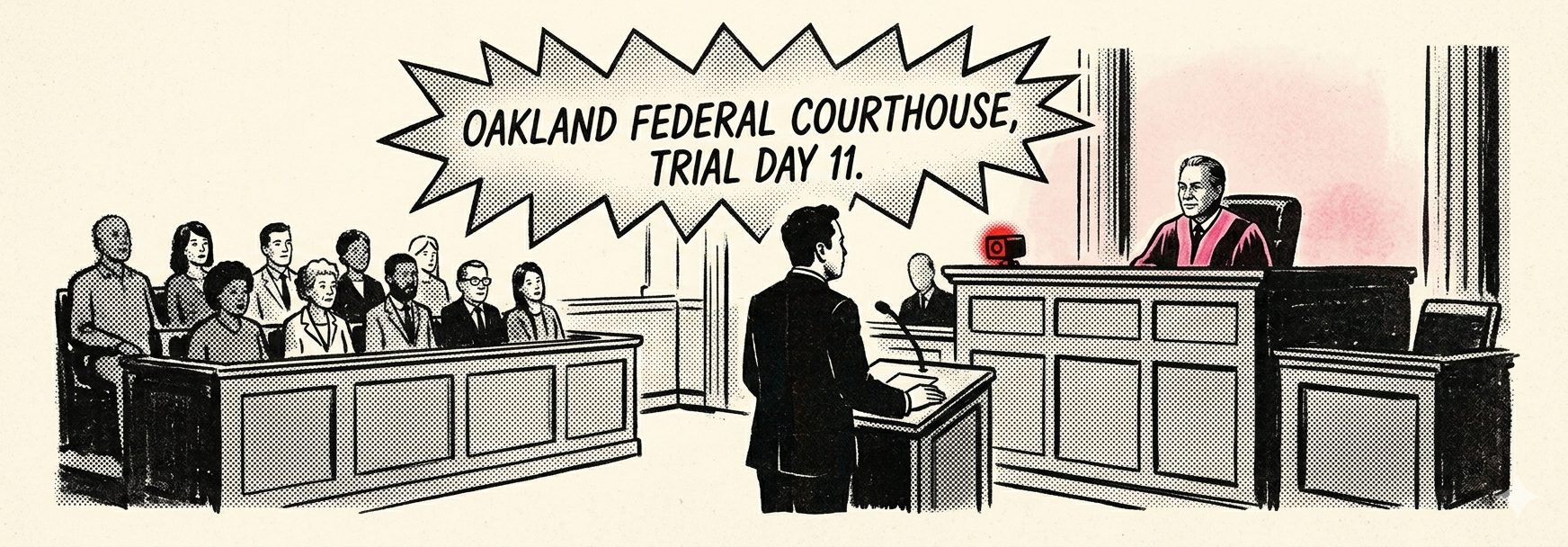
OAKLAND — It started, as these things do, with a dinner and a dream. It ended, as these things do, in federal court — with a verdict that took less than two hours and settled nothing on the merits.
A nine-person jury in Oakland on Monday afternoon found that Elon Musk's $134 billion lawsuit against OpenAI, Sam Altman, Greg Brockman, and Microsoft was untimely. Musk had known about OpenAI's for-profit pivot since at least 2021, the jury found, and the statute of limitations had expired three years before he filed suit. All claims: not liable. Judge Yvonne Gonzalez Rogers dismissed from the bench. In the hallway outside the courtroom, OpenAI's lawyers hugged. William Savitt, their lead counsel, said he was "delighted." Musk says he'll appeal. He has also, in the hours since, called the judge a "terrible activist Oakland judge" who "simply used the jury as a fig leaf," and accused her of issuing "a free license to loot charities." He posted these things on his own social-media platform, which he owns, where they remain in the public record.
The math, for those just tuning in: Musk donated roughly $38 million in OpenAI's non-profit years (2015–2017). He was seeking as much as $134 billion in damages, the removal of Altman and Brockman, and a forced reversion to the original non-profit charter. OpenAI called the suit "baseless." The jury never reached that question.
It took three weeks of testimony to get to a 90-minute deliberation. Here's what happened in between.
Eleven years after he wrote the founding cheque, Musk took the stand and called himself one. "I actually was a fool," he told the court on April 30. "I literally was. I gave them $38 million of essentially free funding which they then used to create an $800 billion for-profit company." The remark was delivered to a jury, under oath, on the third day of his own testimony. It was so candid that even Musk's own lawyers, per courtroom observers, appeared briefly unsure where to put their faces.
Week 2 brought the trial's most cinematic set piece. Greg Brockman testified that in August 2017, he and co-founder Ilya Sutskever met with Musk to discuss OpenAI's future. Sutskever had brought Musk a Tesla-related painting as a gift. The meeting opened warmly. It did not stay that way.
When Brockman and Sutskever rejected Musk's demand for majority control, Musk — per Brockman's sworn testimony — got up and walked toward him. "I thought he was going to hit me," Brockman told the court. "I thought he was going to physically attack me."
Musk then, allegedly, told Brockman: "When will you be departing OpenAI? I will withhold funding until you decide what you are going to do," grabbed Sutskever's painting off the table, and stormed out of the room.
In the trial's second week, Sam Altman took the stand and described what he called a "hair-raising" 2017 conversation in which OpenAI's co-founders asked Musk what would happen to the company if Musk had majority control and then died. "I haven't thought about it a ton," Musk replied, per Altman's sworn account. "Maybe I should pass it to my children." Musk has fourteen children, per public reporting and his own testimony in this trial. The non-profit's original mission, Altman testified, was specifically to prevent AGI from being controlled "by any one person, no matter how good their intents are." It was not, on the record, designed to be inherited by all of them.
The trial's other plot twist arrived by video. In November 2023, OpenAI's board abruptly fired Sam Altman; five days later, after a near-mutiny by staff and investors, he was reinstated. Helen Toner, a former OpenAI board member who voted to fire him, gave a video deposition for this trial. She described Mira Murati — OpenAI's then-Chief Technology Officer, who briefly stepped in as interim CEO during those five days — as "strikingly unsupportive, remarkably passive." Per Toner, Murati "was waiting to see which way the wind would blow. She didn't realize that she was the wind." Murati's "directionally very bad" text — sent to Altman during the firing, now in evidence — had briefly made her the trial's most sympathetic witness. Toner's deposition complicated that.
Antitrust claims against Microsoft and OpenAI remain on the docket, slated for a potential second stage. Judge Gonzalez Rogers called them "not very good claims" given the state of competition in the AI market, but she has not dismissed them.
Sam Altman is now free to solidify his hold on OpenAI, which appears headed toward one of the largest initial public offerings in history, and to pursue a data center expansion that could cost hundreds of billions of dollars.
The painting remains, presumably, in storage.
Eleven lines from three weeks of testimony. Every one verbatim from public record.
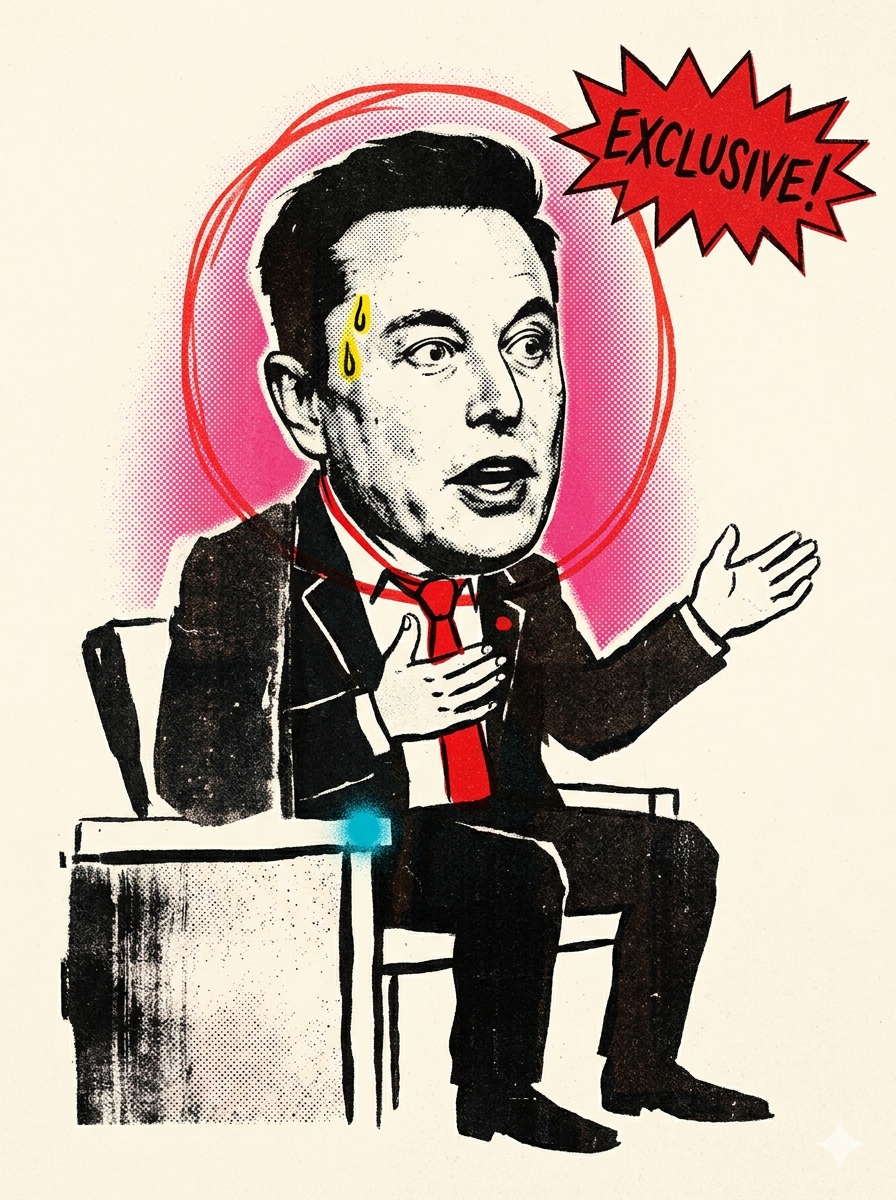
"I was a fool."
"I thought he was going to hit me."
"You will be the most hated men in America."
"I can start another AI company tomorrow. One tweet, that's all it takes."
"Close and friendly, but we are going to actively try to move three or four people from OpenAI to Tesla."
"It was sort of amateur city."
"Maybe I should pass it to my children."
"She was waiting to see which way the wind would blow."
"A consistent pattern of lying."
"If there's no funding, there is no big computer."
"You are instructed not to talk about extinction again."
Six lines from the hallway, the press, and Musk's social-media feed. The hours that followed.
"I'm delighted."
"Lawyers for OpenAI hugged and congratulated one another with big slaps on the back."
"The judge & jury never actually ruled on the merits of the case, just on a calendar technicality."
"She just handed out a free license to loot charities if you can keep the looting quiet for a few years!"
"I am a big fan of both of these guys. I hope they settle."
"The good news is that people hate both of them."
Ten people. One Oakland courtroom. Eleven years of grudges.
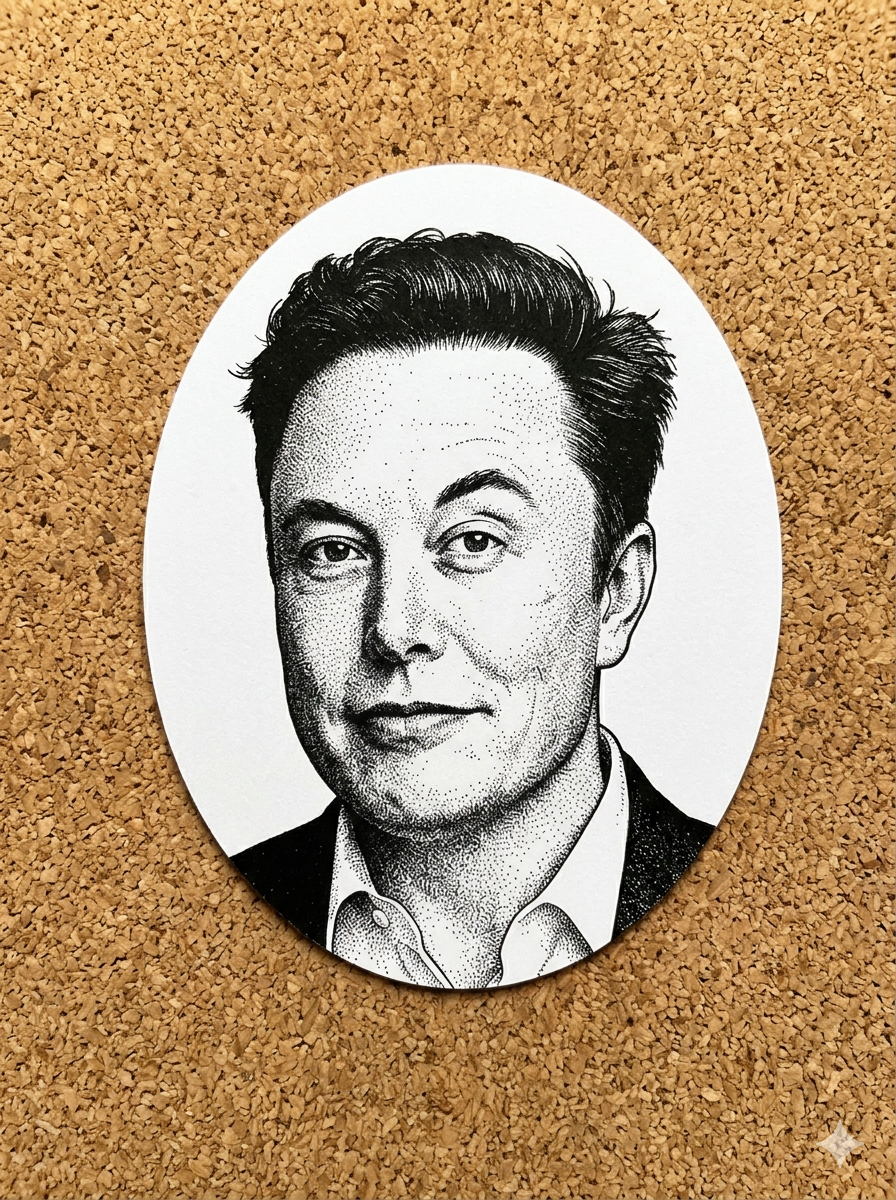
Plaintiff (verdict: not liable — statute of limitations)
The founding donor. Called himself a fool. Calls his loss a "calendar technicality." Says he'll appeal.
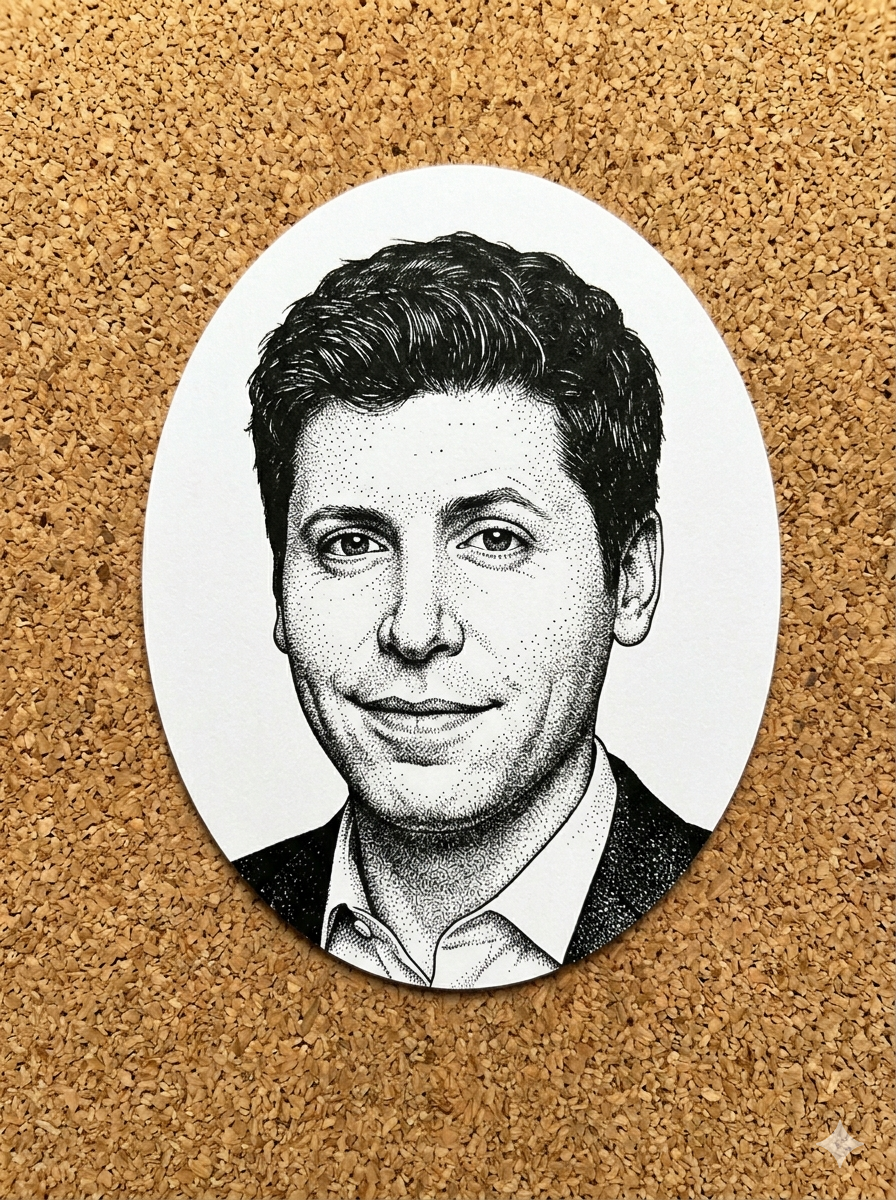
Defendant · CEO, OpenAI
Testified Tuesday. Called Musk's plan to bequeath OpenAI to his fourteen children "hair-raising." Defended himself as an "honest and trustworthy businessperson."
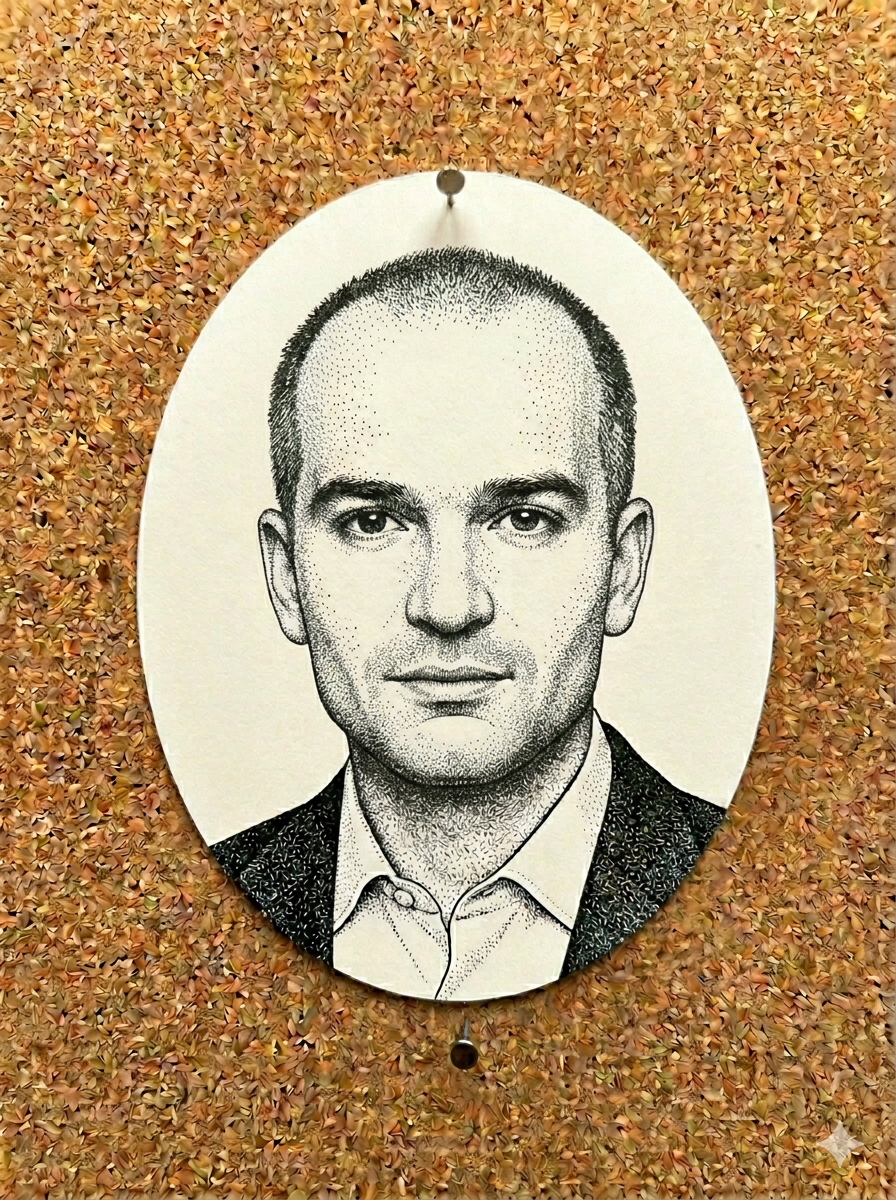
Witness · President, OpenAI
Brought receipts. And a journal. And the memory of being lunged at.
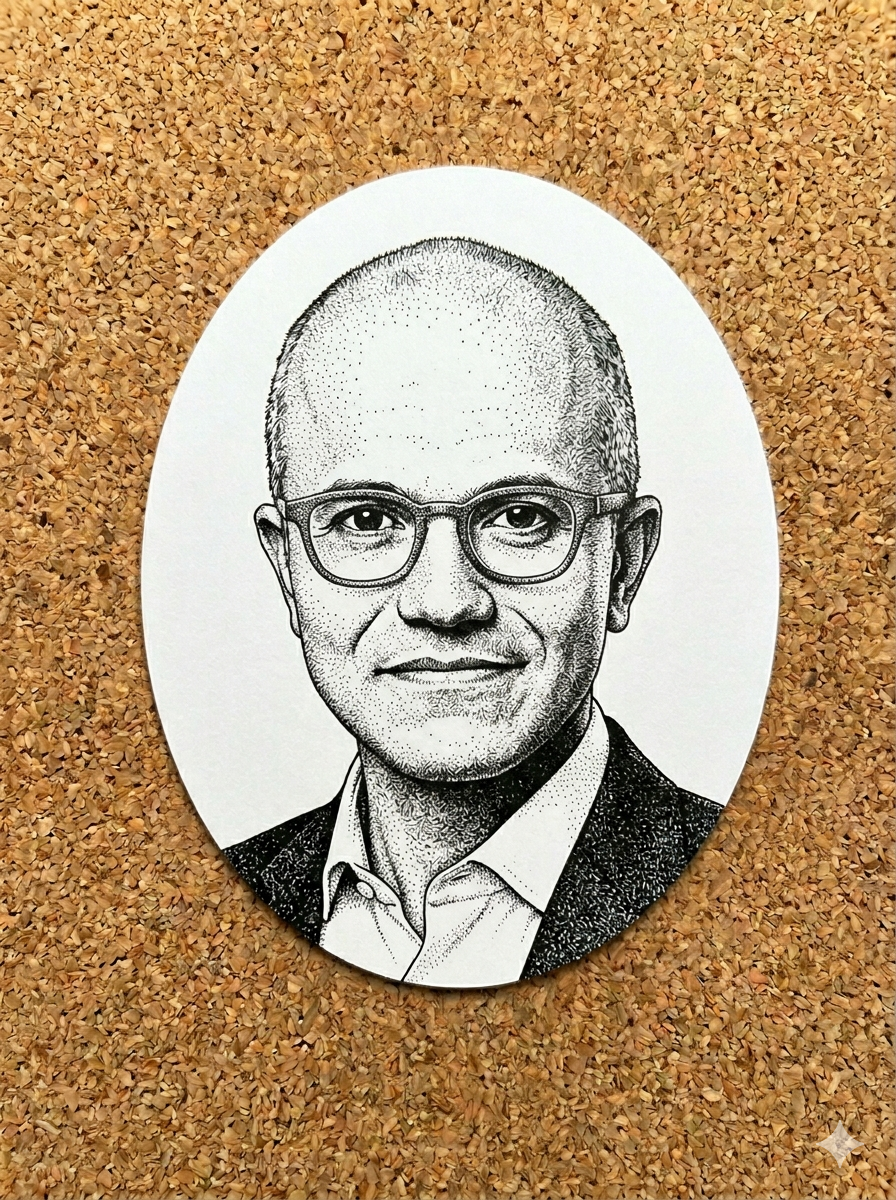
Witness · CEO, Microsoft
Showed up. Said "amateur city." Confirmed Musk had never once picked up the phone.
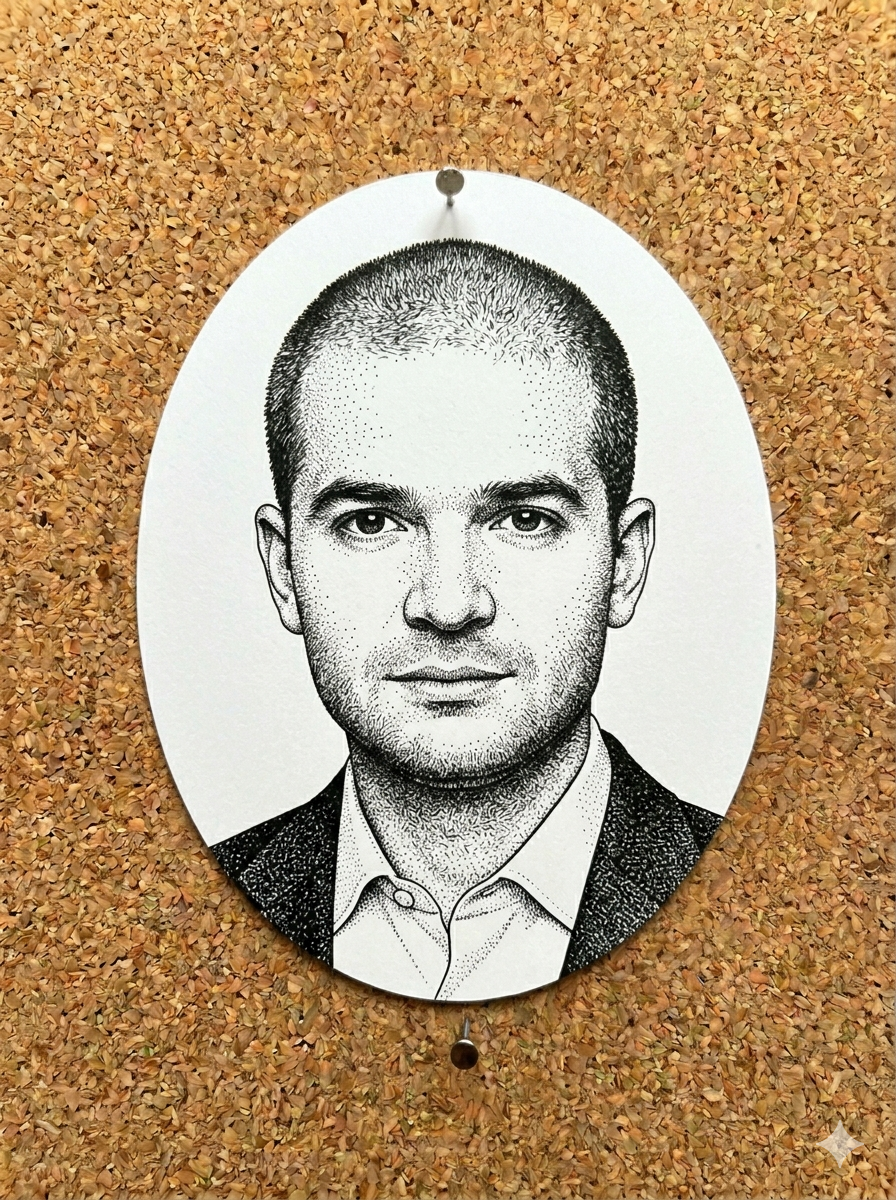
Witness · founder, SSI
Voted to fire Sam in 2023. Now testifies the for-profit pivot was the only way to fund the "big computer."
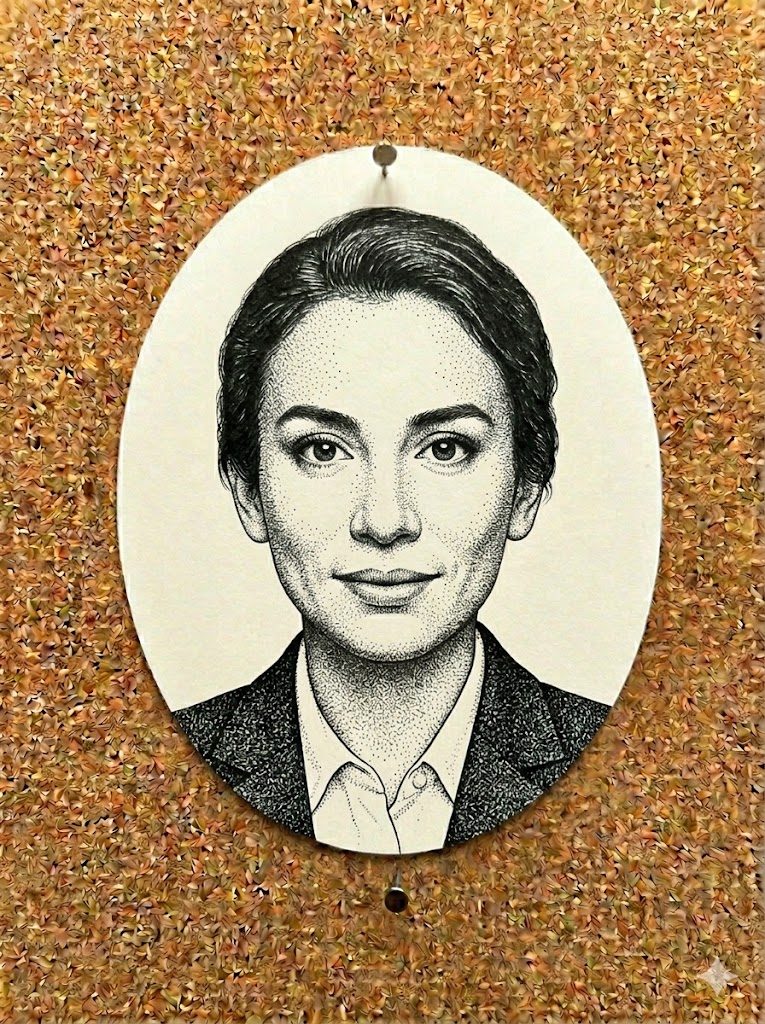
Witness · ex-CTO, OpenAI
Sent the "directionally very bad" text. Was, per Helen Toner's deposition, "the wind." Founded Thinking Machines fourteen months later at $5bn.
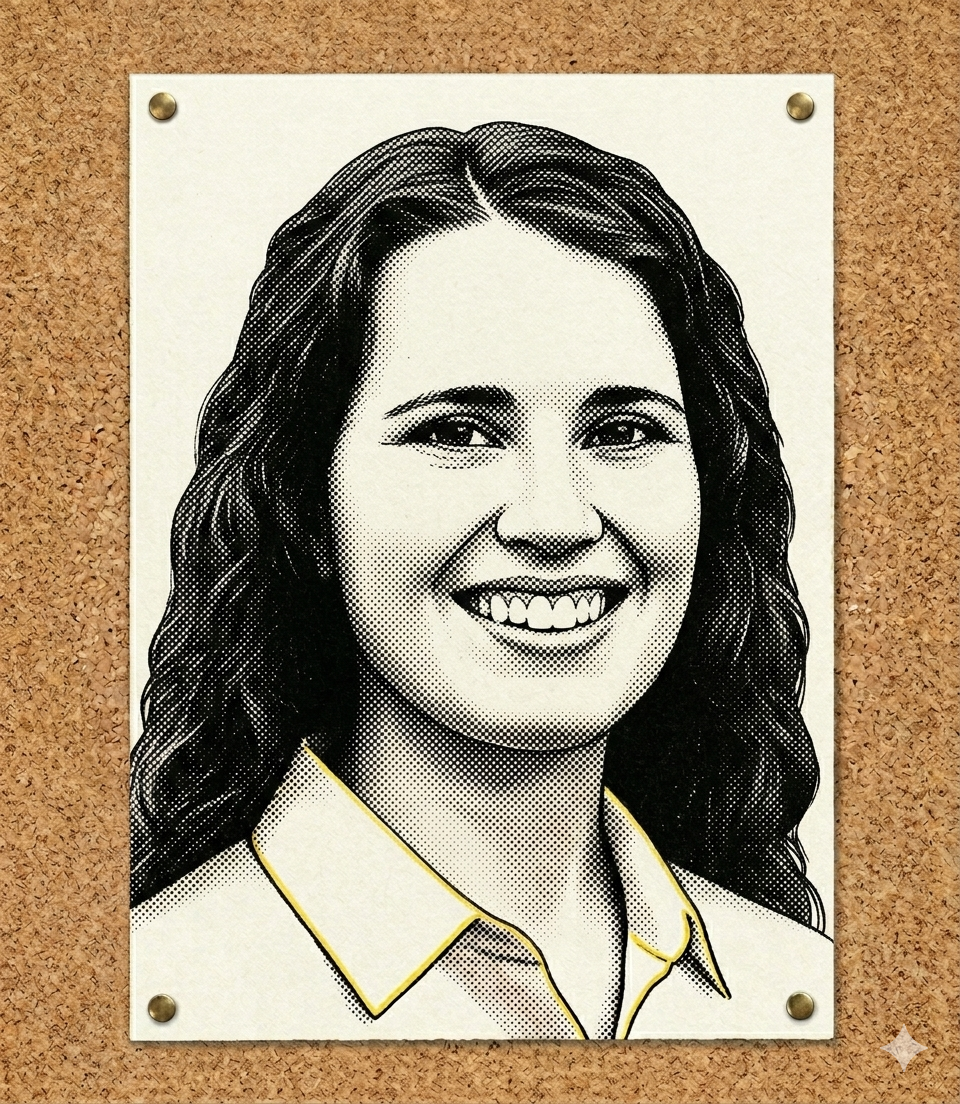
Deposition · ex-OpenAI board
Voted to fire Sam. Read Murati's silence on the record. Wrote the counter-narrative.
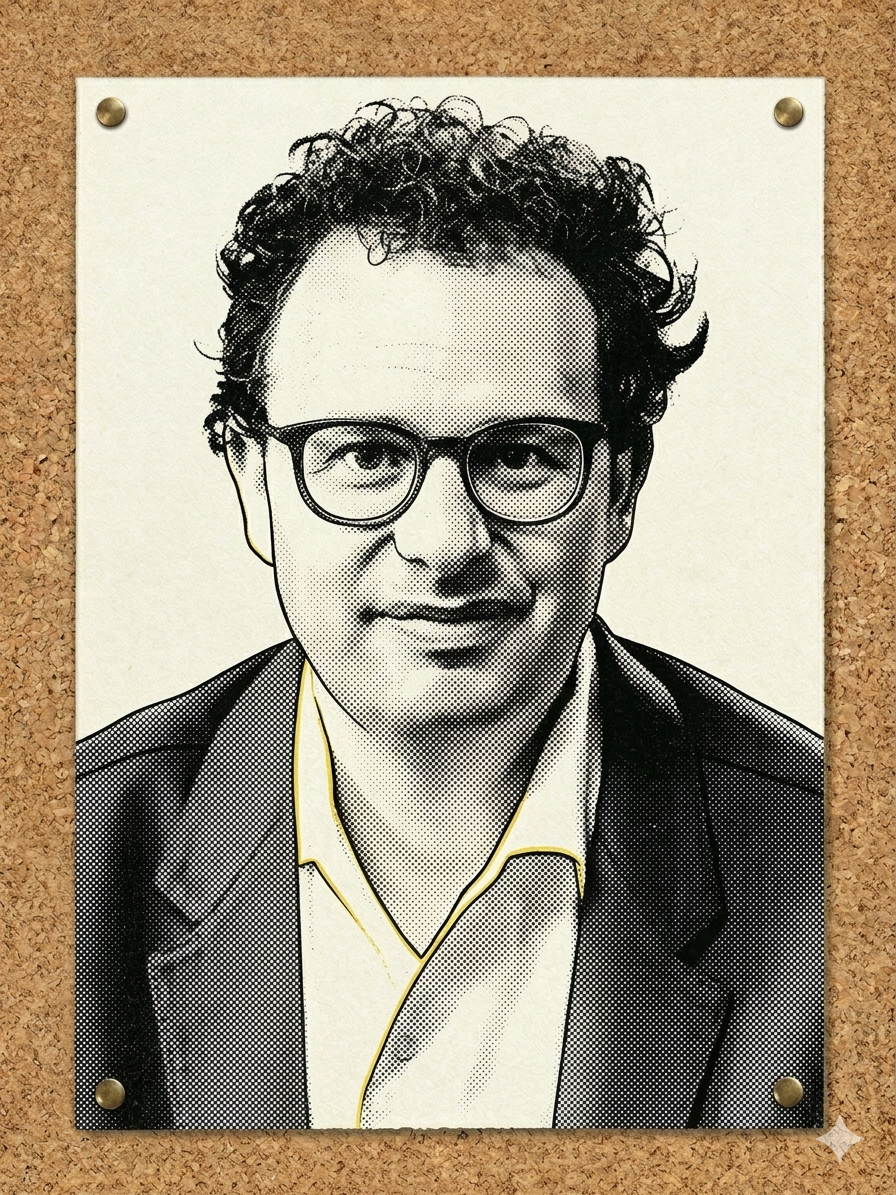
Cameo · CEO, Anthropic
Built the Jackass Trophy. Left OpenAI shortly after. Founded the competitor.
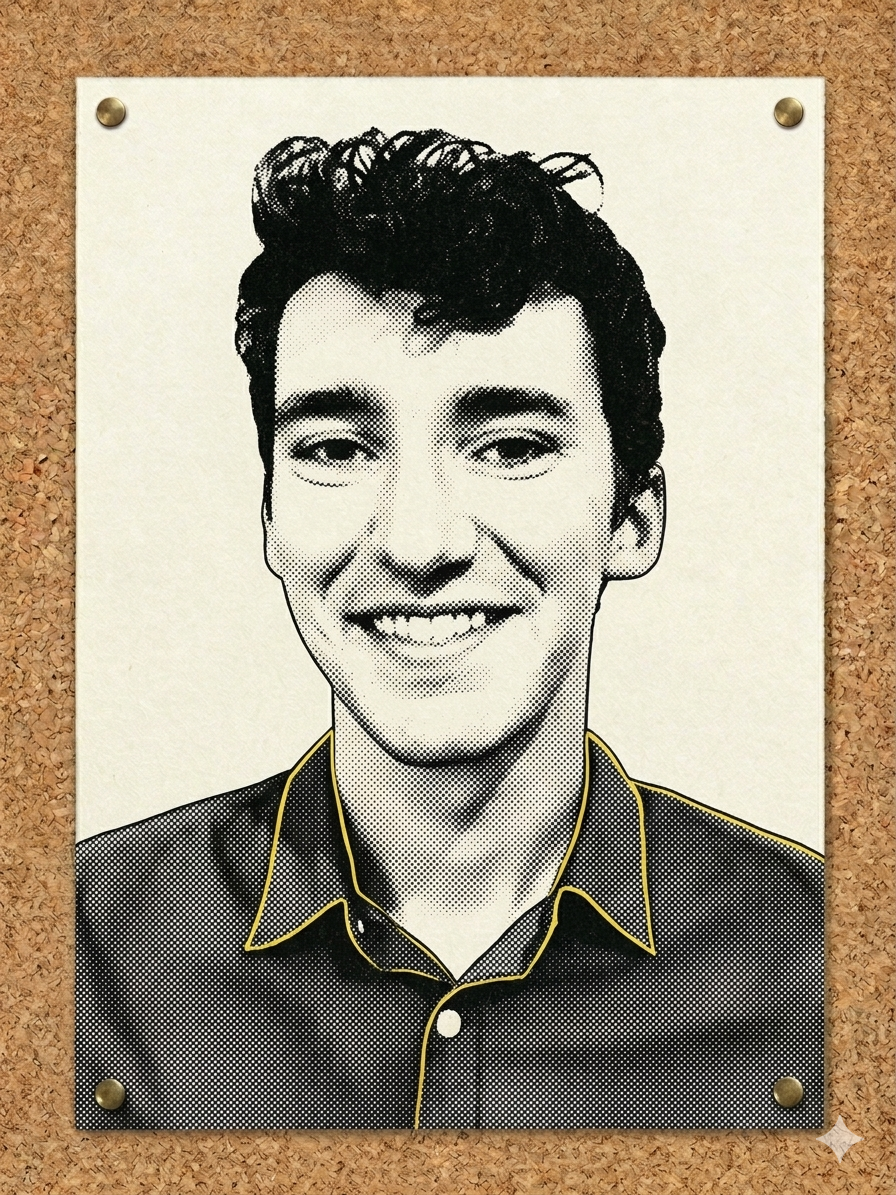
Cameo · Chief Futurist, OpenAI
Was called a jackass by Musk in 2017 for raising safety concerns. Got a trophy for it. Trophy did not make it into evidence.
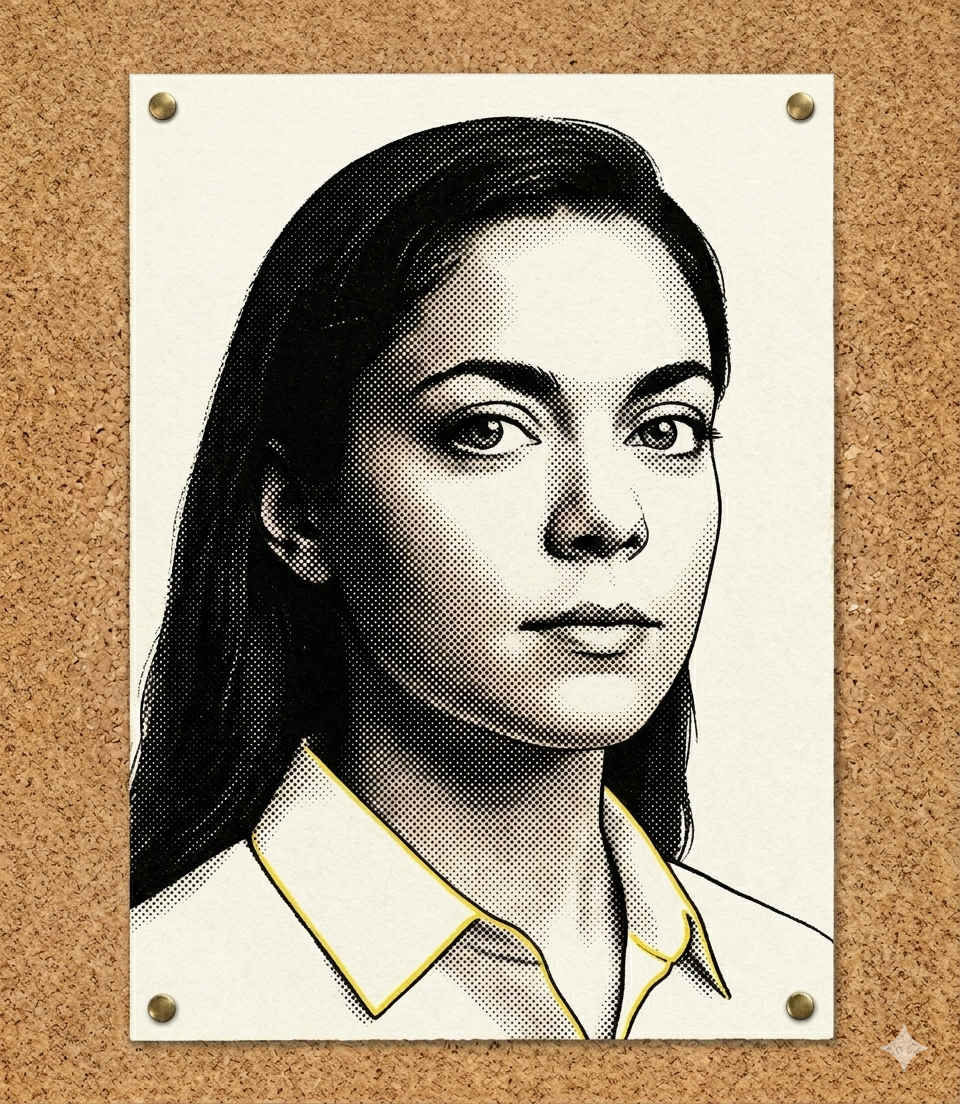
On the record · ex-OpenAI board
On OpenAI's board · Neuralink director · informed Musk of the for-profit pivot · departed when the relationship became public.
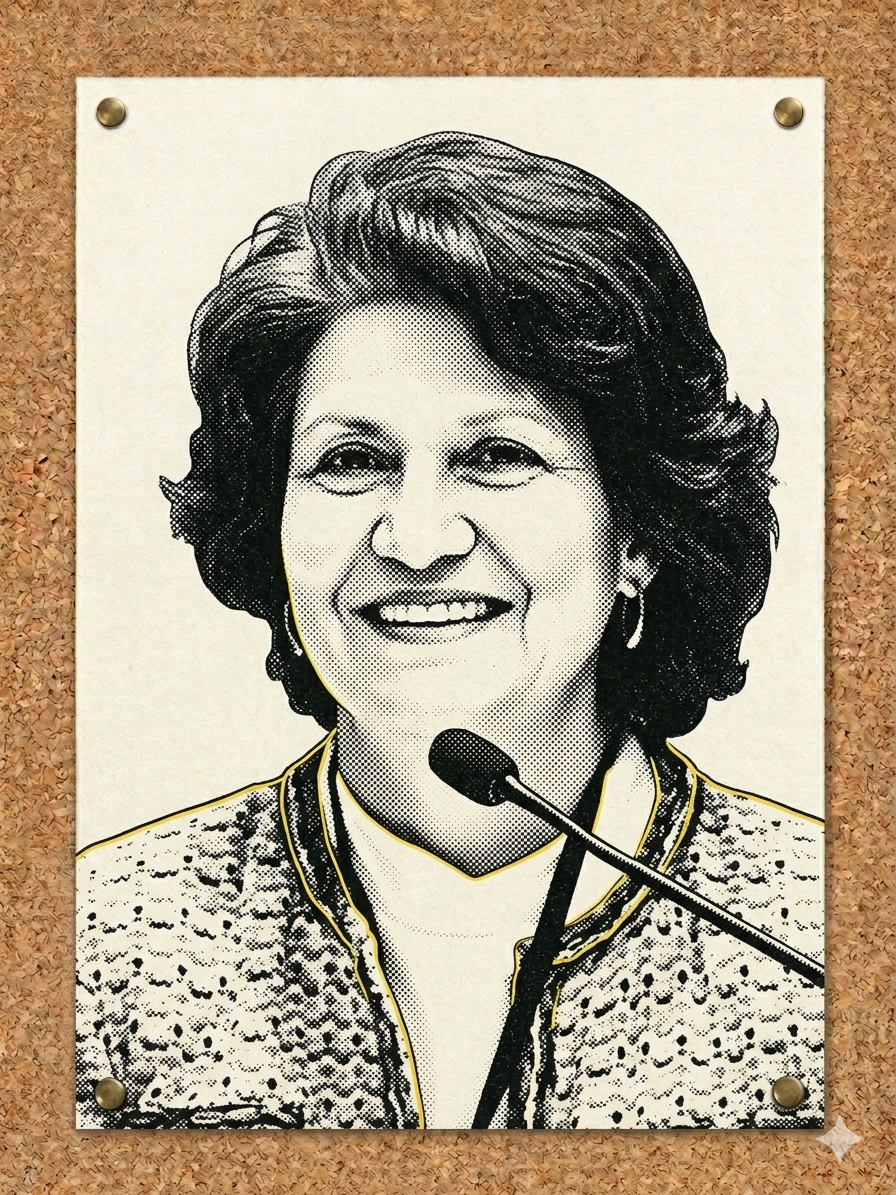
Presiding · N.D. Cal.
Told Musk to stop talking about human extinction. He kept trying. She kept declining.
Every player. Every connection. Every red string. The labels are the gossip.
The frontier AI world is small. They co-founded each other's labs, sat on each other's boards, left to start the competitor, and just sued each other in Oakland. Compute! draws the string.
← Scroll to see the whole web →
Six signs of the AI zodiac. One paragraph each.
Earth sign · The Cassandra · Ruling planet: Worry
Anxious overachiever. Journals about it. Will not stop telling you they founded the lab because they were worried about the other lab.
Fire sign · The Phoenix · Ruling planet: Reinstatement
Charming arsonist. Somehow still in charge. Has been fired and re-hired so many times the org chart is a flipbook.
Fire sign · The Accelerationist · Ruling planet: Mars (literally)
Their founder will tell you about human extinction at the dinner table. He was asked by a federal judge to stop.
Air sign · The Original · Ruling planet: 2014
Was here first. Would prefer you remembered. AlphaFold was a Nobel; you didn't notice.
Water sign · The Patron · Ruling planet: Comp Package
In its bag-of-cash era. Hires you, regrets it, hires you again — at a higher number.
Air sign · The Recluse · Ruling planet: Discretion
Left the group chat. Still reads it. Has, somehow, raised again on a single line of vision and no product.
On Monday, a jury in Oakland ruled against Elon Musk — not because his argument was wrong, but because he made it too late. The statute of limitations had expired. Three weeks of testimony, nine witnesses, $134 billion in claimed damages, and the jury never reached the merits. Musk says he'll appeal. Antitrust claims remain on the docket. The painting remains in storage.
The press coverage focused on the personalities; the painting Elon grabbed, the texts Mira sent, the diary Greg kept. So did Compute!, with the seriousness those things deserve (which is to say, gleefully).
But the trial wasn't about $38 million or $134 billion. It was about who controls the technology that is reshaping how you and I work, and what happens when the people doing the controlling get into a fight about it.
The "hereditary OpenAI" moment: Musk's testimony, per Altman, that he'd pass control of the company to his fourteen children, is the funniest thing said under oath in 2026. It's exactly the thing the original non-profit was built to prevent. The reason we have a charity-shaped AI lab at all is that everyone in 2015, Musk included, agreed that artificial general intelligence shouldn't be controlled by a single person, no matter how good their intentions. They then spent ten years fighting about who that single person should be.
If you work in HR, in financial services, in operations, or anywhere the conversation is "should we adopt this tool?", then this trial is your reminder that this technology isn't being built by an impartial industry. It's being built by the same people every time — they co-founded each other's labs, sat on each other's boards, left to start the competitor, and just sued each other in Oakland. Knowing that doesn't tell you whether to use the tool, but it does tell you whose tool it is.
One sentence from the New York Times describing the trial — and, accidentally, this magazine.
Subscribe at Human+AI on Substack for Nicolle's working-professional take on AI every Tuesday.
Subscribe to Human+AI